English
Tag
High Energy Density Battery
Content tagged "High Energy Density Battery"
-
What is a High Energy Density Battery?
Energy density for a battery is a crucial metric that indicates the amount of energy a battery can store relative to its weight or volume. It is a fundamental measure used to compare the performance of different battery types and chemistries. Energy density can be expressed in two main forms: 1. Gravimetric energy density, which measures energy per unit mass (typically in watt-hours per kilogram, Wh/kg), 2. Volumetric energy density, which measures energy per unit volume (typically in watt-hours per liter, Wh/L).These measures are vital for understanding how efficient and effective a battery is in storing and delivering energy. -
Grepow High Energy Density Battery Solutions for Commercial Drone
Energy density for a battery is a crucial metric that indicates the amount of energy a battery can store relative to its weight or volume. It is a fundamental measure used to compare the performance of different battery types and chemistries. Energy density can be expressed in two main forms: 1. Gravimetric energy density, which measures energy per unit mass (typically in watt-hours per kilogram, Wh/kg), 2. Volumetric energy density, which measures energy per unit volume (typically in watt-hours per liter, Wh/L).These measures are vital for understanding how efficient and effective a battery is in storing and delivering energy. -
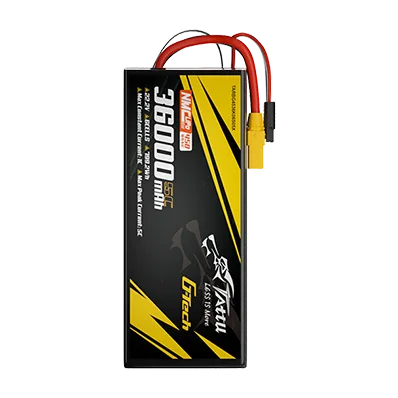
380Wh/kg Series Semi-Solid State High Energy Density Battery Pack
Grepow's 1C Discharge Rate LiPo Batteries, crafted with advanced stacking technology, deliver stable and reliable energy output tailored for applications requiring a steady, low-discharge rate. Built to meet stringent quality standards, these cells are ideal for electronics that prioritize longevity and efficiency over high discharge. With customizable options in size, capacity, and configurations, Grepow's 1C LiPo batteries are suited for medical devices, IoT applications, and other precision-driven equipment where steady power is key. -
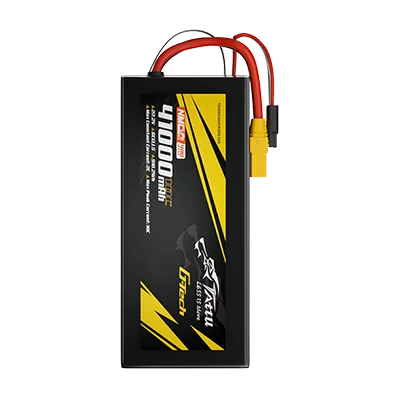
450Wh/kg Series Semi-Solid State High Energy Density Battery Pack
Grepow's 1C Discharge Rate LiPo Batteries, crafted with advanced stacking technology, deliver stable and reliable energy output tailored for applications requiring a steady, low-discharge rate. Built to meet stringent quality standards, these cells are ideal for electronics that prioritize longevity and efficiency over high discharge. With customizable options in size, capacity, and configurations, Grepow's 1C LiPo batteries are suited for medical devices, IoT applications, and other precision-driven equipment where steady power is key. -
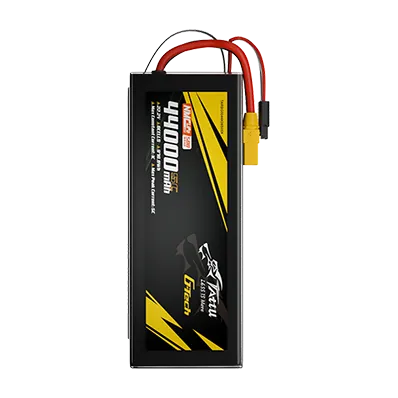
400Wh/kg Series Semi-Solid State High Energy Density Battery Pack
Grepow's 1C Discharge Rate LiPo Batteries, crafted with advanced stacking technology, deliver stable and reliable energy output tailored for applications requiring a steady, low-discharge rate. Built to meet stringent quality standards, these cells are ideal for electronics that prioritize longevity and efficiency over high discharge. With customizable options in size, capacity, and configurations, Grepow's 1C LiPo batteries are suited for medical devices, IoT applications, and other precision-driven equipment where steady power is key. -
500Wh/kg Series Semi-Solid State High Energy Density Battery Pack
Grepow's 1C Discharge Rate LiPo Batteries, crafted with advanced stacking technology, deliver stable and reliable energy output tailored for applications requiring a steady, low-discharge rate. Built to meet stringent quality standards, these cells are ideal for electronics that prioritize longevity and efficiency over high discharge. With customizable options in size, capacity, and configurations, Grepow's 1C LiPo batteries are suited for medical devices, IoT applications, and other precision-driven equipment where steady power is key. -
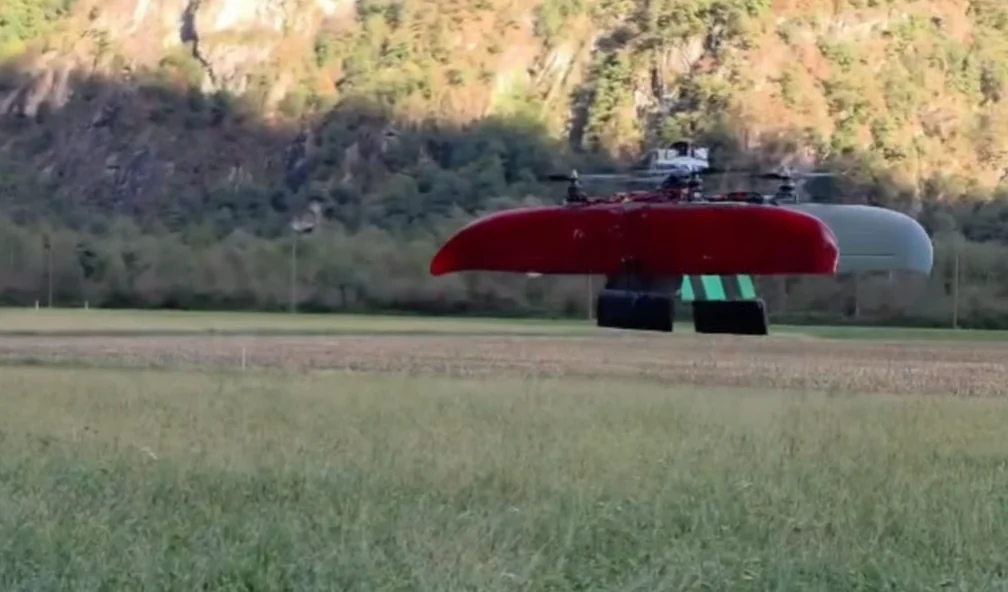
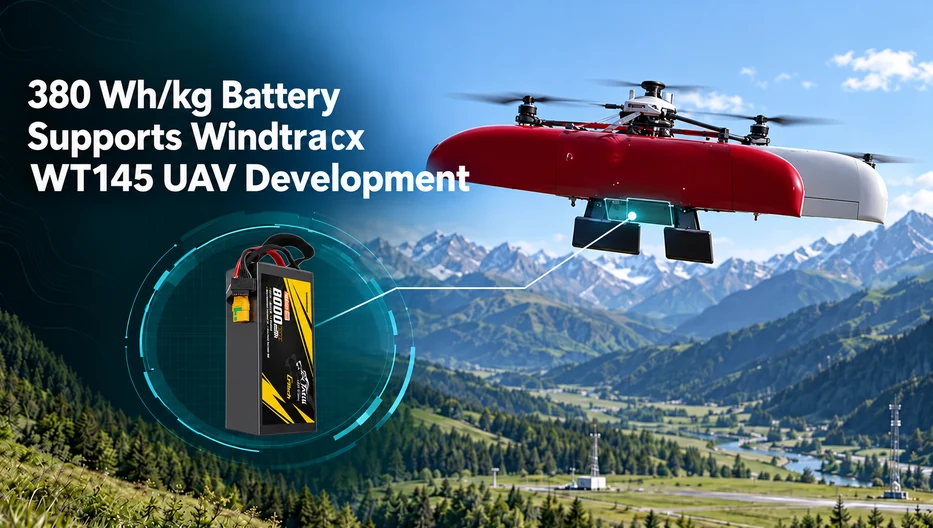
How Grepow's 380 Wh/kg Battery Solution Supported Windtracx's WT145 UAV Development
See how Grepow's 380 Wh/kg semi-solid-state battery supported Windtracx WT145 UAV testing in manual and autonomous flight modes.