
English


Drones typically use lithium polymer (LiPo) batteries. LiPo batteries are lightweight and have a high energy density, making them ideal for powering drones. They can also deliver high currents, which is important for the motors on a drone. LiPo batteries are rechargeable and are available in various configurations to suit different drone sizes and performance requirements.
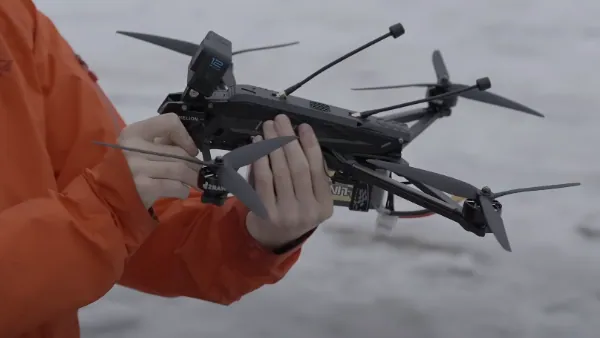
Choosing the right battery for your drone involves considering several factors to ensure optimal performance and compatibility. Here's a guide to help you choose the right battery:
Voltage (V): Check your drone's specifications to determine the required voltage. Most drones operate on 3.7V (1S), 7.4V (2S), 11.1V (3S), 14.8V (4S), or 22.2V (6S) batteries.
Capacity (mAh): The capacity of the battery determines how long your drone can fly. Higher capacity batteries generally provide longer flight times but may be heavier. Consider a balance between flight time and weight for your needs.
Discharge Rate (C rating): The discharge rate indicates how much current the battery can deliver. A higher C rating is suitable for drones that require high power output, such as racing drones or those with powerful motors.
Size and Weight: Ensure that the battery fits your drone's battery compartment and does not add excessive weight, which can affect flight performance.
Connector Type: Check the connector type (e.g., XT60, XT30, JST) to ensure compatibility with your drone's power distribution board.
Usage Environment: Consider the temperature and flying conditions in which you'll be using the drone, as extreme temperatures can affect battery performance.
A drone battery's lifespan can vary depending on several factors, including how well it's maintained, how often it's used, and how it's charged and stored. On average, a well-maintained drone battery can last anywhere from 100 to 300 charge cycles. However, some batteries can last even longer with proper care. It's important to follow the manufacturer's guidelines for charging, storing, and using your drone battery to maximize its lifespan.
The longest battery life on a drone can vary depending on the drone's size, weight, and battery capacity. Generally, consumer drones have a flight time ranging from around 10 minutes to 30 minutes on a single battery charge. However, some specialized drones, such as those used for industrial or military purposes, can have much longer flight times, ranging from 1 hour to several hours. These drones often use larger batteries or other power sources to achieve longer flight times.
To extend your drone battery's lifespan, you can follow these tips:
Avoid overcharging: Remove the battery from the charger once it's fully charged to prevent overcharging, which can damage the battery.
Avoid deep discharges: Try to avoid completely draining the battery before recharging. Instead, recharge the battery once it reaches about 20% to 30% capacity remaining.
Store at the correct voltage: Store your batteries at around 3.7V per cell, which is the optimal storage voltage for most lithium polymer (LiPo) batteries. This helps prevent them from losing capacity over time.
Store in a cool, dry place: Store your batteries in a cool, dry place away from direct sunlight and extreme temperatures. High temperatures can accelerate battery aging.
Use the right charger: Use a charger that is designed for your specific drone battery to ensure safe and efficient charging.
Balance charge regularly: If your battery is a LiPo battery, regularly balance charge it to ensure that all cells are charged evenly. This helps prolong the battery's lifespan.
Inspect regularly: Inspect your battery regularly for any signs of damage or swelling. If you notice any issues, stop using the battery immediately and dispose of it properly.
Avoid overdischarge during storage: If you're storing your batteries for an extended period, make sure to check their voltage periodically and recharge them if they drop below the recommended storage voltage.
Drones can run out of battery quickly due to several factors:
High Power Consumption: Drones use a lot of power to stay airborne, especially if they're carrying a heavy payload or flying in windy conditions. This high power consumption can lead to a faster depletion of the battery.
Small Battery Size: Consumer drones are often designed to be lightweight and portable, which means they have smaller batteries with limited capacity. This smaller battery size contributes to a shorter flight time.
Flying Conditions: Flying in windy conditions or at high speeds can increase the drone's power consumption, leading to a faster depletion of the battery.
Hovering: Hovering in place requires the drone to use a constant amount of power to maintain altitude, which can drain the battery faster than flying in a straight line.
Old or Degraded Battery: Over time, drone batteries can degrade and lose capacity, resulting in shorter flight times.
Most drones are equipped with a low battery warning system to alert you when the battery is running low. This warning can be in the form of:
Visual Indicators: The drone's lights may start flashing or change color to indicate a low battery.
Audible Alerts: Some drones emit beeping sounds or other audible alerts to indicate a low battery.
App Notifications: If your drone is connected to a mobile app, you may receive a notification on your smartphone or tablet indicating a low battery.
Automatic Return-to-Home (RTH): Many drones have a feature that automatically returns the drone to its takeoff point when the battery is critically low. This is a safety measure to prevent the drone from crashing due to a depleted battery.
To charge a drone battery, follow these general steps:
Remove the Battery: Remove the battery from the drone before charging.
Use the Correct Charger: Use the charger that came with your drone or a compatible charger recommended by the manufacturer.
Connect the Battery: Connect the battery to the charger. Make sure the polarity is correct.
Plug in the Charger: Plug the charger into a power source. Some chargers may have indicator lights to show when the battery is charging and when it's fully charged.
Monitor the Charging Process: Keep an eye on the battery while it's charging. If you notice any unusual heat or swelling, stop charging immediately and disconnect the battery.
Charge Until Full: Allow the battery to charge fully. The charger or battery may indicate when it's fully charged.
Disconnect and Store Safely: Once the battery is fully charged, disconnect it from the charger and store it safely, following the manufacturer's guidelines.
It's important to use a charger that is specifically designed for your drone battery to avoid damaging the battery or the drone. Using the wrong charger can result in overcharging, undercharging, or other issues that can shorten the battery's lifespan or cause it to malfunction. Always use the charger that came with your drone or a compatible charger recommended by the manufacturer.
The time it takes to charge a drone battery depends on several factors, including the battery's capacity, the charger's output power, and the current charge level of the battery.
For example, a small drone battery with a capacity of around 1,000mAh may take about 30-60 minutes to charge fully with a standard charger. However, larger batteries with capacities of 5,000mAh or more can take several hours to charge fully.
Fast chargers are also available for some drone batteries, which can significantly reduce charging times. These chargers can charge a battery in as little as 15-30 minutes, but they may reduce the overall lifespan of the battery if used frequently.
To store your drone batteries properly, follow these guidelines:
Storage Voltage: Store your batteries at around 3.7V per cell, which is the optimal storage voltage for most lithium polymer (LiPo) batteries. Most LiPo chargers have a storage mode that can discharge or charge the battery to this level.
Temperature: Store your batteries in a cool, dry place away from direct sunlight and extreme temperatures. High temperatures can accelerate battery aging.
Avoid Full Discharge: Avoid storing your batteries fully charged or fully discharged for extended periods. This can reduce the battery's lifespan.
Regular Checks: Periodically check the voltage of your stored batteries and recharge them if they drop below the recommended storage voltage.
Storage Bag: Consider storing your batteries in a fireproof LiPo battery bag or container to contain any potential fires in case of a battery failure.
As a global leader in lithium battery cell manufacturing, Grepow offers professional customized and standard drone batteries to meet various drone applications, such as FPV and commercial drones. If you have any questions or needs, please feel free to contact us at info@grepow.com.
If you're new to the world of FPV (First Person View) drones or a seasoned pilot looking to expand your knowledge, understanding the ins and outs of 5-inch FPV drones can greatly enhance your flying experience. These drones, known for their agility and speed, are a popular choice among FPV enthusiasts for racing and freestyle flying. To help you navigate the world of 5-inch FPV drones, we've compiled a list of frequently asked questions.
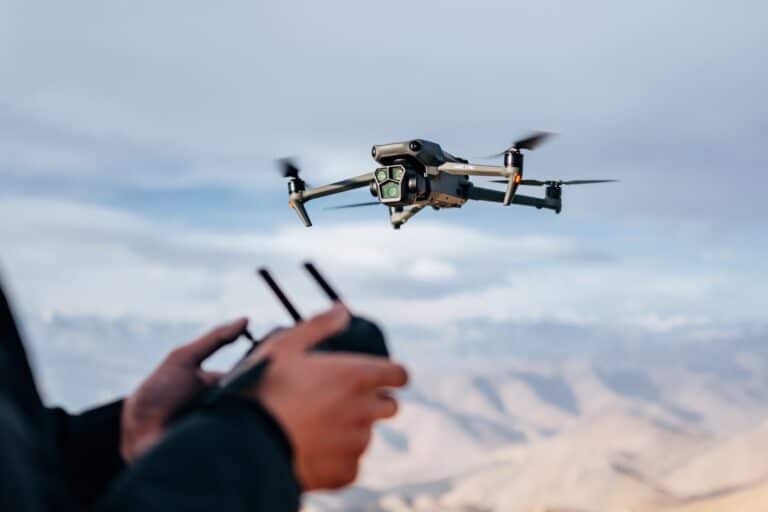
A 5-inch FPV drone refers to a type of quadcopter or multirotor drone that is specifically designed for FPV flying. The "5-inch" designation refers to the size of the propellers used on the drone. These drones are popular among FPV enthusiasts for racing and freestyle flying due to their agility, speed, and overall performance. 5" FPV drones are often customized and built by hobbyists, allowing them to choose specific components such as motors, ESCs (electronic speed controllers), flight controllers, and FPV cameras to suit their flying style and performance preferences.
To build a 5-inch FPV drone, you will need a frame, flight controller, ESCs (electronic speed controllers), motors, propellers, FPV camera, VTX (video transmitter), receiver, and a compatible radio transmitter.
The flight time of a 5-inch FPV drone can vary depending on several factors, including the battery size, weight of the drone, flying style, and environmental conditions. On average, a 5" FPV drone can fly for about 3 to 8 minutes on a single battery pack. However, with efficient flying techniques and the right battery setup, it is possible to extend the flight time slightly. Pilots often carry multiple batteries to extend their flying sessions, swapping out batteries between flights.
A 5-inch FPV drone can fly at speeds of up to 80-100 mph (130-160 km/h), depending on its build and setup. These drones are designed for high-speed racing and freestyle flying, making them incredibly agile and responsive in the air.
The range of a 5-inch FPV drone can vary depending on the radio transmitter and receiver setup, but it is typically around 1-2 kilometers.
The main difference between a 4S and 6S battery is the voltage. A 4S battery has a nominal voltage of around 14.8 volts, while a 6S battery has a nominal voltage of around 22.2 volts. 6S batteries can provide higher performance and longer flight times but may require different components, such as ESCs and motors, to handle the higher voltage. For more battery information about 5 inch drone, you can check the application page of 5 inch FPV drone.
While 5-inch FPV drones are primarily designed for racing and freestyle flying, some pilots use them for aerial photography or videography. However, they may not be as stable or suitable as larger, more specialized drones for this purpose.
Flying a 5" FPV drone can be challenging, especially for beginners. It requires practice and skill to master, but many pilots find it incredibly rewarding once they get the hang of it.
The main difference between a 5-inch FPV drone and other sizes is the propeller size, which affects the drone's agility, speed, and flight characteristics. Smaller drones are usually more agile but have shorter flight times, while larger drones are more stable but less agile.
The cost of building a 5-inch FPV drone can vary widely depending on the quality of the components used. A basic build can cost around $200-$300, while a high-end build can cost $500 or more.
You can fly a 5-inch FPV drone in open areas such as parks, fields, or dedicated FPV flying locations. It's important to check local regulations and fly responsibly to avoid any issues.
The maximum payload capacity of a 5-inch FPV drone is relatively low, typically only a few hundred grams. This limits its ability to carry heavy cameras or other equipment.
While it is possible to fly a 5-inch FPV drone indoors, it is not recommended due to its size, speed, and potential for damage to both the drone and surrounding objects.
A BNF 5-inch FPV drone comes pre-built and usually includes a receiver that is compatible with a specific radio transmitter. A PNP 5-inch FPV drone comes without a receiver, allowing you to use your own receiver with it.
Regular maintenance, such as cleaning and inspecting the drone for damage, checking and tightening screws, and ensuring all components are functioning properly, can help prolong the life of your 5-inch FPV drone.
Always fly in open areas away from people, animals, and obstacles. Use propeller guards if flying near people or property. Follow local regulations and fly responsibly.
While 5-inch FPV drones are capable of flying long distances, they are not typically used for long-range flights due to their limited battery life and range compared to larger, long-range drones.
Yes, you can upgrade various components on your 5-inch FPV drone, such as motors, ESCs, flight controllers, and FPV cameras, to improve performance or add new features.
In conclusion, diving into the world of 5-inch FPV drones opens up a thrilling realm of aerial acrobatics and racing adventures. Understanding the fundamentals, from their components to their capabilities, is key to building and flying these agile machines effectively. From the basics of assembling and configuring your drone to the nuances of battery selection and flight performance, this guide has aimed to provide a comprehensive overview of 5-inch FPV drones. As a global leader in lithium battery cell manufacturing, Grepow offers custom FPV battery for FPV drones in various specifications ranging from 1.6 inches to 10 inches. The battery capacities range from 200mAh to 8000mAh, with discharge rates (C ratings) from 15C to 250C, catering to your specific application requirements. If you have any questions or needs, please feel free to contact us at info@grepow.com.
Related Articles:
UAV Drone vs. FPV Drone: What's the Difference?
What Size FPV Drone Should I Get?
What Is a Long Range FPV Drone?
Racing FPV Drone vs Freestyle FPV Drone vs Filming FPV Drone: A Comprehensive Comparison
We use cookies (and other similar technologies) to collect data to improve your experience. By using our website, you're agreeing to the collection of data as described in our Privacy Policy.