
English


What Is DIN RAIL?
DIN RAIL is a universal mounting bracket widely used in the installation and maintenance of various industrial and electronic equipment. DIN RAIL is typically a standardized metal rail with dimensions, shapes, and mounting hole distances that comply with the German Industrial Standard (DIN), hence the name DIN RAIL.
DIN RAIL is commonly used for installing and securing electrical, electronic, and automation equipment such as controllers, relays, PLCs, and power supplies. It can be fixed in cabinets, electrical enclosures, control panels, and other equipment by using mounting holes and slots, providing a stable support and installation environment. DIN RAIL can also be customized in different lengths, materials, and shapes to meet the installation requirements of different equipment.
DIN RAIL offers advantages such as simple structure, convenient installation, and reliable safety, making it widely used as a mounting bracket in industrial and electronic equipment. Besides the DIN standard, there are also other standards and forms of rails used in specific application areas, such as the National Electrical Manufacturers Association (NEMA) standard in the United States and the British Standard (BS) in the UK.
DIN RAIL DC UPS stands for DIN Rail Direct-Current Uninterruptible Power Supply. It is a device used for direct current (DC) power systems, designed to provide backup power in the event of a power outage.
DIN Rail refers to a standardized metal rail typically installed in electrical equipment control cabinets or distribution boxes. DIN RAIL DC UPS is designed to be installed on this standard rail, facilitating integration into the electrical control system.

DIN RAIL DC UPS and Its Power Supply(Pic: Internet)
DIN RAIL DC UPS typically consists of one or multiple batteries, which convert external DC power sources (such as the power grid or other DC power sources) into stable DC power suitable for equipment through rectifiers. When the external power source fails or is interrupted, the battery pack automatically provides power, ensuring uninterrupted power supply to the equipment, preventing data loss or system failures. Therefore, the battery backup for DIN RAIL DC UPS is necessary. And Knowing more about the batteries is helpful for our decision.
For DIN RAIL DC UPS, the choice of a suitable battery type depends on specific application requirements and budget considerations. Here are several common battery types:
Lithium-ion batteries offer high energy density and low self-discharge rates. They are recognized as environmentally friendly batteries, with minimal environmental impact. LiFePO4 is the safest type in LIBs. Additionally, they are lighter, have longer lifespans, higher cycle counts, and require no regular maintenance compared to lead-acid batteries. However, they tend to be relatively more expensive.
Nickel-metal hydride batteries are an environmentally friendly alternative to nickel-cadmium batteries, without the environmental concerns associated with cadmium. They have higher cycle life and lower self-discharge rates, but their energy density is relatively lower. Under the same power output, lithium iron phosphate batteries would have smaller volume and weight compared to nickel-metal hydride batteries.
Nickel-cadmium batteries are a reliable backup power option with good cycle life and high temperature tolerance. They are relatively heavier and contain the environmentally hazardous substance, cadmium. Therefore, the use of nickel-cadmium batteries may require compliance with specific environmental regulations.
Lead acid batteries are a cost-effective and mature choice, providing reliable backup power support. They have high energy density and can deliver high current in a short period. However, they are relatively heavier and require regular maintenance.
When selecting the appropriate battery type, factors such as capacity requirements, system weight limitations, battery lifespan, environmental considerations, cost, and safety requirements should be taken into account. The best choice will depend on your specific application and prioritized factors.
Compared to lead-acid batteries, there are several advantages and disadvantages of using lithium iron phosphate (LiFePO4) batteries for DIN RAIL DC UPS:
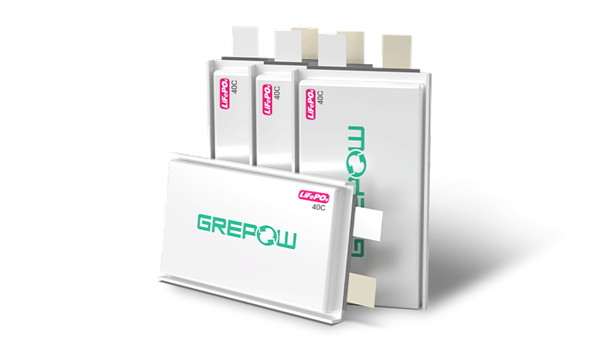
•Long lifespan:
Over 2000 cycles, LiFePO4 batteries' significantly longer than lead-acid batteries, resulting in a longer overall lifespan.
•Smaller size and lighter weight:
Higher energy density, allowing LiFePO4 batteries for smaller battery sizes and reduced weight. This helps in saving equipment space and transportation costs.
•Higher energy density:
Compared to lead-acid batteries, LiFePO4 higher energy density providing longer backup times while occupying a smaller volume.
•Shorter charging time:
LiFePO4 batteries have a faster charging speed than lead-acid batteries, allowing for quicker recharging and restoration of backup capabilities.
•Eco-Friendly:
Lithium FePO4 batteries and packaging do not contain any heavy metals such as lead, mercury, etc. The production and use process is non-toxic and non-polluting, ensuring human and ecological safety.
•Wide temperature range:
LiFePO4 batteries have a wider operating temperature range compared to lead-acid batteries, enabling them to perform well in various temperature conditions.
Considering these advantages, LiFePO4 batteries are often preferred for DIN RAIL DC UPS due to their longer lifespan, smaller size, lighter weight, higher energy density, faster charging time, environmental friendly, and wider temperature range.
•Higher primary purchase cost
The relatively high cost of LFP batteries may increase the procurement cost of equipment, but can reduce the price of DC UPS maintenance costs throughout the life cycle of use.
•Charging voltage and current limitations
Charging lithium iron phosphate batteries requires careful control of voltage and current to avoid overcharging and over-discharging, requiring stricter management and control.
The above information explains what batteries are used for DIN RAIL DC UPS. From the given details, it can be observed that the use of lithium iron phosphate batteries as backup power for DIN RAIL UPS is becoming a future trend. With the continuous development and maturation of LFP battery technology, these batteries offer numerous advantages such as long cycle life, high energy density, high safety, wide temperature range, and environmental friendliness. They are well-suited to meet the diverse needs of DIN RAIL UPS in various application scenarios.
Uninterruptible Power Supply (UPS) systems are a crucial component in safeguarding electronic devices and data against power disruptions. However, over time, the batteries in UPS units may require replacement. This article addresses some common questions regarding UPS battery replacement.
In fact, it depends. The batteries are the lifeline of the UPS, providing power during electrical outages or fluctuations. By replacing the batteries, you ensure that your UPS continues to function effectively, protecting your connected equipment and preventing data loss. Replace UPS batteries is more cost-effective than buying a new one. But if your UPS has become flaky in some fashion, or it doesn't have the features that you want. Then you should buy a new UPS.

The battery in a UPS is a crucial component, and over time, it may degrade and require replacement. Here are some signs that indicate your UPS battery might need replacing:
•Audible Alarms: UPS units often emit a beeping sound to alert users when the battery is low or needs replacement.
•Reduced Runtime: If your UPS provides significantly less backup time than before, it's a sign that the battery capacity has diminished.
•Visual Indicators: Some UPS models have LED indicators that change color or flash to indicate battery health. Refer to your UPS manual for specific information.
•Age: VRLA UPS batteries typically have a lifespan of 3-5 years. If your UPS is older than that, consider replacing the batteries preemptively.
The life expectancy of UPS batteries can vary based on the type of battery chemistry used. Although alternatives such as lithium-ion battery are becoming more popular and commercially viable, the majority of UPS today still use traditional sealed lead-acid (SLA) batteries. SLA batteries typically have a life expectancy of 3 to 5 years. SLA batteries are often more cost-effective than lithium-ion batteries, making them a common choice for UPS applications. Lithium-ion batteries generally have a longer life expectancy compared to SLA batteries. They can last 5 to 10 years or more, depending on usage and environmental conditions. Lithium-ion batteries offer a higher energy density, meaning they can provide more power in a smaller and lighter package.
UPS batteries can fail prematurely for a variety of reasons. Understanding these factors can help users take appropriate measures to maximize the lifespan of UPS batteries. Here are some common reasons why UPS batteries might fail quickly:
•Temperature: High temperatures can accelerate chemical reactions within the battery, leading to a shorter lifespan.
•Overcharging/Undercharging: Improper charging can cause stress on the battery, leading to premature failure.
•Old Age: As batteries age, their ability to hold a charge diminishes.
•Manufacturing Quality: Lower quality batteries may have a shorter lifespan than high-quality ones.
The frequency of UPS battery replacement depends on factors like usage, environmental conditions, and battery quality. On average, replacement every 3 to 5 years is recommended. Regularly monitoring battery health and addressing warning signs can help in timely replacements.
The cost of UPS battery replacement varies depending on factors like the UPS model, battery capacity, and brand. As a rough estimate, replacement batteries can range from $50 to $200 or more. It's recommended to check with the UPS manufacturer or authorized dealers for specific replacement batteries compatible with your UPS model. Additionally, consider whether you'll be replacing the battery yourself or hiring a professional, as installation costs can also contribute to the overall expense. When replacing UPS batteries, it's important to choose batteries that meet the specifications of your UPS, adhere to safety guidelines, and follow the manufacturer's recommendations.
The procedure for UPS battery replacement can vary among different models. However, a general guideline includes:
Turn off and unplug the UPS: Ensure the UPS is powered down and disconnected from the electrical source.
•Access the battery compartment: Open the UPS and locate the battery compartment.
•Remove old batteries: Disconnect the old batteries, following the manufacturer's instructions. Handle batteries carefully and dispose of them according to local regulations.
•Install new batteries: Insert the new batteries, making sure to connect them correctly.
•Close the battery compartment: Securely close the UPS cover.
•Power up the UPS: Plug in the UPS and turn it on. Monitor for any warning lights or alarms.
Always refer to the specific UPS manual for detailed instructions on battery replacement to ensure a safe and effective procedure.
In conclusion, understanding the importance of UPS battery replacement and being aware of the signs and procedures can help users maintain the reliability of their UPS systems and safeguard their valuable electronics. Regular monitoring and timely replacement contribute to the overall effectiveness of the UPS in providing uninterrupted power protection. As a global leader in lithium battery cell manufacturing, Grepow offers professional customization solutions for 12V and 24V UPS battery and Battery Management Systems (BMS), catering to your specific application requirements. If you have any questions or needs, please feel free to contact us at info@grepow.com.
Related Articles:
Uninterruptible Power Supply (UPS) systems play a crucial role in safeguarding electronic devices from unexpected power interruptions. The heart of a UPS system is its battery, and one of the most commonly used battery voltages is 12V. In this article, we'll explore frequently asked questions about 12V UPS battery to help users better understand their functionality and maintenance.
A 12V battery is a popular choice for UPS systems due to its versatility and compatibility. Many electronic devices and systems are designed to operate with 12V DC power, making these batteries a suitable and widely available option for UPS applications. Despite the availability of 24V and 48V batteries, opting for them can result in severe damage to the house and pose risks to loved ones. Hence, the industry standard has remained unchanged for years, with the 12V UPS battery being the preferred choice for its ease of management and installation in conjunction with the inverter. In smaller UPS systems, a commonly used battery is the 12V 7Ah, capable of powering devices such as routers, modems, surveillance cameras, and small electronic gadgets during power outages.

Choosing between lead-acid and lithium-ion 12V UPS battery involves trade-offs. Lead-acid batteries are heavier, bulkier, and have a shorter lifespan but come with a lower initial cost. On the other hand, lithium-ion batteries offer higher energy density, making them more compact and lightweight. They have a longer lifespan, faster charging times, but come with a higher upfront cost. Consider factors such as space, weight constraints, lifespan requirements, and budget considerations to make an informed decision based on your specific needs and preferences.
In general, you can replace 12V UPS lead-acid batteries with 12V UPS lithium battery. However, while replacing lead-acid batteries with lithium batteries can offer benefits such as longer lifespan and higher energy density, it's crucial to follow manufacturer guidelines and ensure compatibility to prevent damage to the UPS system or safety issues. Always prioritize safety and adhere to recommended practices throughout the replacement process.
The runtime of a 12V 7Ah battery depends on the power consumption of the connected devices and the efficiency of the UPS system. As a general guideline, a 7Ah battery can provide power for approximately 30 minutes to an hour, depending on the load. The method for calculating the power supply time of UPS with different battery capacities is as follows:
1. Determine the UPS Load:
Identify the power consumption (in watts) of the devices connected to the UPS. This information is usually provided on the devices or in their user manuals.
2. Convert Load to Amps:
Calculate the load in amps by dividing the total power (in watts) by the UPS output voltage (typically 120V or 230V).
For example:
Load = 300 watts
Amps = 300W / 120V = 2.5A
3. Identify Battery Capacity:
Determine the ampere-hour (Ah) rating of the batteries. This information is usually marked on the batteries themselves.
4. Calculate Runtime:
Use the formula: Runtime (in hours) = Battery Capacity (Ah) / Load (Amps)
For example:
Battery Capacity = 10Ah
Runtime = 10Ah / 2.5A = 4 hours
5. Adjust for Efficiency:
Consider the efficiency of the UPS system. Multiply the calculated runtime by the UPS efficiency factor (usually expressed as a percentage).
For example:
If UPS efficiency is 90%, adjust runtime: 4 hours * 0.9 = 3.6 hours
The primary difference between a 7Ah and 12Ah UPS battery lies in their capacity to store electrical energy. A 12Ah battery has a higher capacity and can generally power devices for a more extended period during a power outage compared to a 7Ah battery. In many cases, you can replace a 12V 7Ah battery with a 12V 12Ah battery in a UPS system. Upgrading to a higher Ah (ampere-hour) rating increases the battery's capacity, providing longer backup power. However, it's crucial to ensure that the physical dimensions of the new battery fit within the UPS enclosure.
Understanding the basics of 12V UPS battery is essential for optimizing the performance and longevity of your uninterruptible power supply system. Whether you are considering a replacement or upgrading your current battery, being informed about these FAQs can help you make informed decisions to ensure reliable backup power for your electronic devices. As a global leader in lithium battery cell manufacturing, Grepow offers professional customization solutions for 12V and 24V UPS battery and Battery Management Systems (BMS), catering to your specific application requirements. If you have any questions or needs, please feel free to contact us at info@grepow.com.
Related Articles:
DC UPS vs AC UPS: What's the Difference?
UPS Battery Market Forecast Research Report
Frequently Asked Questions for UPS Battery Replacement
We use cookies (and other similar technologies) to collect data to improve your experience. By using our website, you're agreeing to the collection of data as described in our Privacy Policy.